"I am a master of a hundred arts and also have a sackful of cunning."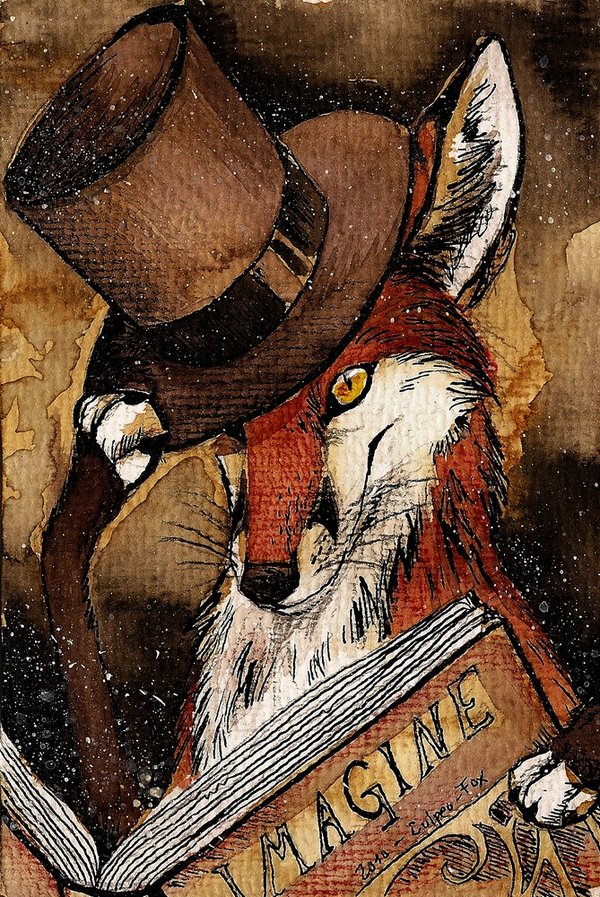
Stories of the Vulpus
The fox symbolizes many things, a jack of all trades you could say. It's amazing what you could learn from stories of the fox. Many stories of the fox often have to do with cunning, wisdom, and greed. The greedy fox may bite off more than he can chew and gets himself into a sticky situation with a bad ending or he may be patiently waiting for a fight to break out among others then stealthily swoop in and take the spoils. You learn a lot from their fables like,
- The dishonest get no credit - The wolf
- the fox, and the ape
- Look before you leap - The hunter, the fox, and the tiger
- Sincerity is shown by the heart - The fox and the wood cutter
- Never trust the untrustworthy - The fox and the bramble
- Knowledge is power - The fox and the tiger
- Use a man as he deserves - The fox and the goat
- Beauty is skin deep - The leopard and the fox
- Guard against those who would wish you to be reduced to their own level - The fox with out a tail
- It often happens that one has the toil and another the profit - The lion the tiger and the fox
All of those are morals of stories from Aesop's fables. The fox has myth, lore, legends, and fables in almost every culture. The fox can be very self-centered yet at the same time dignified and trustworthy. They are known in some cultures to take advantage of others like in the Grimm fairy tales which originated in Germany. In the Wolf and the Fox, the fox is indirectly warning the wolf to not be a glutton for he will be unable to escape. There is another story, the Fox and the Cat, where the fox gets too cocky and ends up loosing his life. The fox is not always portrayed as the cunning trickster. Sometimes the fox is a victim of false assumptions and arrogance.
Foxes of the Grimm Fairytales
-
"Dear fox, tell me why you are running here and there so much and jumping in and out?" - The wolf and the fox - Grimm fairytales
The fox in the Wolf and the Fox is cunning and sly. He is very cautious about the situations that the wolf has placed him in. He clearly can see that he has to do as the wolf says or he, himself, will become food for the glutton. When the farmer came the fox easily escaped while the wolf had gotten stuck.
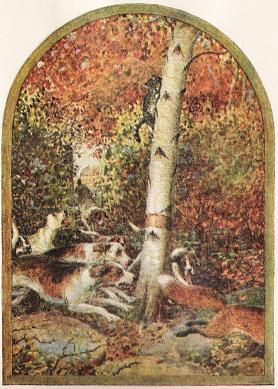
- "I am a master of a hundred arts and also have a sackful of cunning. You make me sorry; come with me, i will teach you how people get away from the hounds."- The fox and the cat - Grimm fairy tales
In the Fox and the Cat, the fox is very prideful of his skills. He is cunning, just as he says he is. He also is arrogant about this. He felt sorry for the cat when, in the end, the cat only needed one trick to get away. The cat only needed to climb a tree. The fox couldn't escape from the hounds. The fox ended up dying due to the fact that he over-estimated his own abilities.
-
"Farewell, dear cousin, may the roasting you had do you good." - The fox and his cousin - Grimm fairy tales
In the Fox and his Cousin, the fox was playing the wolf. He led the wolf into danger. He then pretended to be injured and got the wolf to carry the fox back to the house where the fox said gave up the trick and ran off. He had seemed honest and then betrayed the wolf.
Foxes of Japan
Some of the most well known myths and lore come from Japan.
In Japan the fox is seen as a messenger from the god Inari. The fox is known as a kitsune, a fox which can have up to nine tails. The numbers associated with the kitsune are 1, 5, and 9. The kitsune, depending on the lore, are seen as trickster like spirits. They take the form of a beautiful woman to trick others. Offspring of a man and a kitsune are always born a kitsune. They are very vengeful but are life-long friends if you gain their trust. Kitsunes are known to have an object called a star ball where they store part of their power while in human form. The star ball is often seen as a small toy, If you manage to get your hands on one it is said you could get the kitsune to help you with a task but be careful, the kitsune is sly and does not take nicely to a human manipulating them in such ways.
The kitsune is  said to have amazing powers. They can control a light blue-white fire known as kitsune-bi or more widely known as foxfire. It gives off no heat yet, the older the kitsune the more likely you are to be turned to ash. The other abilities are much more difficult to explain. They can create illusions, pocket realms, Kitsune-bi(Foxfire), and many other powers.In some cultures the kitsune feeds off ones life forms. In a way you could compare them to vampires. The kitsune gains a tail by deeds or every hundred or so years. Once they reach the ninth tail the kitsune gains white, silver, or golden fur. In a few stories a kitsune can gain a tail for deeds he has done. He can also loose a tail by dying but that is not always the case.
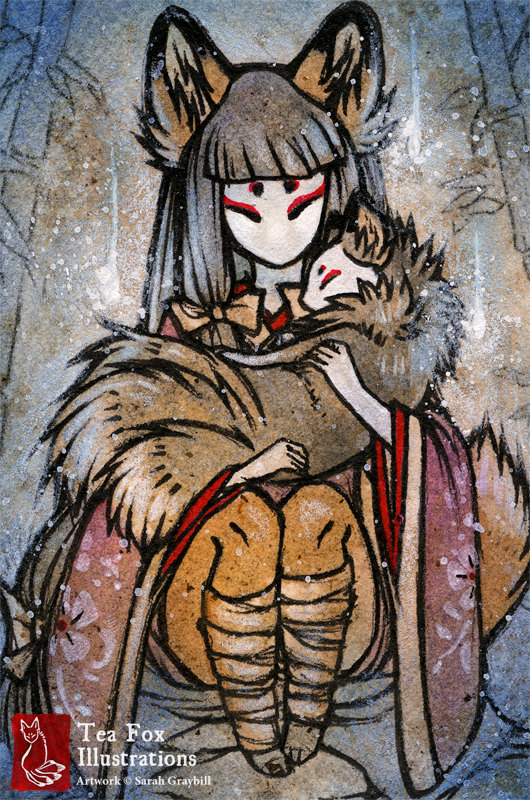
The kitsune hides behind an illusion. it is said that when drunk, the kitsune may become careless and a tail may show. They have three forms; fox, human, and a hybrid (Human with tail and ears). The kitsune is deathly afraid of dogs and is said to run when one is spotted, reverting back to their fox form. A kitsune can be cursed if one knows its real name so most kitsunes will give a false name. The kitsune is often used in animes as a protector of the protagonist or an antagonist. They appear in a series of animes including Naruto,Tokyo Raven,and Rise of the Nura clan. kitsunes in video games like League of Legends is viewed as more vamperic. Ahri from LoL has four abilities; orb of deception, fox-fire, charm, and spirit rush. Each ability is based on the actual lore of the kitsune.
European Myth
In pre-Christian Times the fox was seen as a symbol of gods, like for example, as a symbol of the god of vegetation or as a symbol of forest- and mountain-spirits. This changed in Christian Times, from where on the fox was seen as a demonic creature. The fox is a very famous figure in fables and usually is described as greedy, dishonest and tricky. At the same time of all the helpful animals in fairy tales the fox is said to be the most helpful one. Most fables tell about how the fox tricks other animals to get food, but no legends or fairy tales have been found telling about the fox attacking humans.

Europe has a wide verity of lore and myth. a few stories include
- The Fox and the Flees (Scotland)
- Two Foxes and a Horse (Scotland)
- The Fox, the Fish, and the Bear (Lapland)
- Fox and Wolf (Netherlands)
- Reynard and Bruin (Europe)
- Fox and Wolf (Netherlands)
- The Vixen and the Mule (Italy)
- The Vixen and the Mule (Italy)
The Fox Fire
In Finland they call the northern lights 'fox fire'. In Finnish it means "Revontlet". Folk stories speak of a fox in the north is running on the snow, and sweeping it's tail so that sparks fly off into the sky. This story is very common in different parts of Finland. In the old finnish language there exists a word, resembling the word 'fox', but really meaning something like 'making magic'. So it actually meant the magic lights and not the fox running on the snow when they spoke about the fox fire.
(Art usage for The fox fire. It was created by Lhuin on Deviantart)